“drying method” search results (5000)
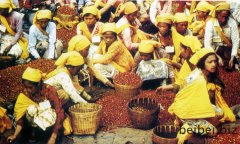
Wet and drying methods for post-harvest processing of coffee beans
After the harvest coffee bean processing: coffee berries must be processed immediately after picking to prevent pulp fermentation and decay. Coffee beans can be processed in two ways, wet and dry. The drying method is also called the natural method. Spread the coffee berries flat in the sun to dry. In the plantation, 50 square meters of coffee berries are laid on each hectare, or
2015-09-14 Coffee beans harvested processed wet dried After th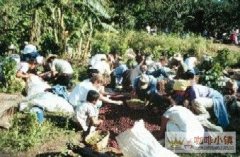
The processing method of High-quality Coffee and Coffee
Raw beans generally use washing and drying methods, both of which can produce high quality raw beans. First, washing method: generally speaking, there will be more distinct acidity and more consistent flavor. In the process of washing, the pulp is immediately separated from the raw bean, rather than drying it. The steps are as follows: 1. Selection: put the fruit in the sink and let stand for about 24 hours. Mature and immature due to
2014-11-04 Coffee knowledge boutique coffee science coffee raw beans coffee bean processing
Introduction to the processing method of sun washing and semi-washing of coffee beans
Introduction of coffee treatment 1. The process of natural solarization (Natural/Dried-in-the-Fruit) is the simplest. The fruit begins the process of sun drying without treatment after picking. This is the oldest method of treatment in existence. This method is still used in places such as Ethiopia and Brazil. Natural solarization is most common in areas where water resources are scarce.
2016-10-21 Coffee beans solarization washing processing process method treatment introduction coffee
Introduction to the treatment of coffee beans there are several ways to treat coffee beans. What should be used for different coffee?
Honey treatment is used in almost all the producing areas of Costa Rica. This method is also widely spread throughout Central America. Because the surface mucosa of coffee beans is extremely sticky and smooth and the sugar content is extremely high, it is often called honey. In the process of honey treatment, coffee will leave some or all of the honey when it is dried. After the coffee fruit is picked, graded and peeled, it is dried.
2016-07-20 Coffee beans treatment methods introduction several different coffee should adopt which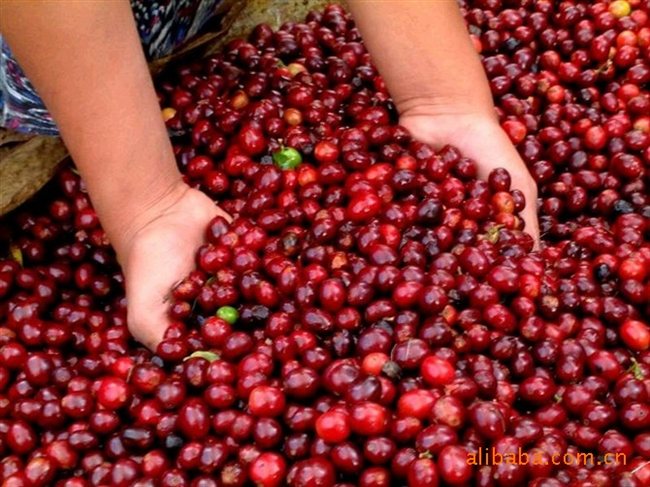
The evolution of coffee from fruit to raw beans to understand the change process of coffee beans
In the middle of the fruit of coffee is a pair of oval seeds, which are covered with outer skin, inner pulp and pulp. Ripe fruit spoils in a short time without treatment. Refining is to remove the skin and pulp of the coffee fruit, and then take out the seeds. Generally speaking, about 1 kg of raw coffee beans can be obtained from 5 kg of coffee fruit. The refining methods include drying type, washing type, and compromise between the two.
2016-01-04 Coffee fruit change raw beans evolution process understanding coffee beans artifacts
What are the processing methods of fine coffee common sense coffee raw beans?
After picking, coffee fruits need to go through a series of processes before they can become what we call coffee raw beans. This series of processes are often referred to as the handling of raw coffee beans or the rough processing of raw coffee beans in the industry. Before we talk about the classification of specific treatment methods, let's take a look at the structure of coffee fruits and raw coffee beans. Coffee fruit from outside to inside is: pericarp (exocarp)
2015-01-08 Boutique coffee common sense raw beans which processing methods picking need
Several common methods of coffee raw beans the origin of coffee beans
1. Dry process: drying is a historical way to deal with coffee beans, which has been used by Arabs for more than a thousand years. Basically, the harvested coffee beans are laid out and exposed to the sun, which takes about 20 days, and then the dried peel and pulp are polished, screened and graded, and finally packaged and stored. Because of exposure
2016-05-27 Coffee raw beans common several methods coffee beans origin variety drying Dr
Coffee Bean Processing
Natural drying method Coffee refining process Coffee cherries (coffee cherries) Selection and treatment of green beans Harvesting sun field (sun exposure) Shelling machine (removal of pulp, etc.) Electronic bean sorter or wind bean sorter (hand)
2014-07-04 Coffee knowledge Coffee bean processing Coffee encyclopedia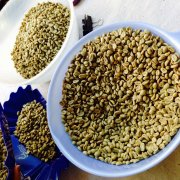
Coffee bean processing coffee washing method or drying method is better
The refined processing of coffee beans has about 8 processes, such as rough processing, separation, classification, fermentation, drying, shelling, polishing, sorting and so on. There are two ways to prepare coffee beans for the baking process. The method chosen has a significant impact on the final value and quality of coffee. The cheapest processing method is called drying, which is used for lower grade coffee beans and higher quality coffee beans.
2015-11-04 Coffee beans processing coffee washing drying which one?
Coffee knowledge production method of high-quality coffee
After harvest, peel, pulp, racing peel and silver peel should be removed before shipping and listing. There are two kinds of methods: drying (also known as natural or non-washing) and washing. The drying method is relatively simple. First of all, spread the freshly harvested fruit on the sun field for a week or two until the fruit crackles and dries naturally. After that, the dried pulp is removed by a sheller.
2015-03-04 Coffee knowledge boutique production method harvest fruit shipment listing removal
Which is better, coffee washing or drying? Washing and drying
Raw beans generally use washing and drying methods, both of which can produce high quality raw beans. First, washing method: generally speaking, there will be more distinct acidity and more consistent flavor. In the process of washing, the pulp is immediately separated from the raw bean, rather than drying it. The steps are as follows: 1. Selection: put the fruit in the sink and let stand for about 24 hours. Mature and immature due to
2015-11-04 Coffee washing drying which raw beans general water two kinds
The processing method in coffee beans what is the Italian processing process and the special characteristics of the finished product flavor description?
Coffee treatment: let's analyze each raw bean treatment method one by one: 1. The process of natural solarization (Natural/Dried-in-the-Fruit) is the simplest. The fruit begins the process of sun drying without treatment after picking. This is the oldest method of treatment in existence. This method is still used in places such as Ethiopia and Brazil. Natural day
2016-10-19 Coffee beans medium processing solarization what is it Italian style process finished product wind
Coffee bean origin coffee bean planting environment
The process of natural solarization is the simplest. The fruit begins the process of sun drying without treatment after picking. This is the oldest method of treatment in existence. This method is still used in places such as Ethiopia and Brazil. Natural solarization is most common in areas where water resources are scarce. The drying process usually lasts about 4 weeks. The way to deal with it must be very
2016-05-29 Coffee beans origin planting environment nature sun this kind of treatment method process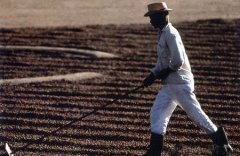
What are the processing methods of coffee beans? Drying method
Sun-dried coffee beans [Pirajui in Sao Paulo, Brazil] there are two ways to prepare coffee beans for roasting. The method chosen has a significant impact on the final price and quality of coffee. The cheapest method of processing is called drying, which is used for lower-grade coffee beans, while higher-quality coffee beans are processed by wet treatment.
2015-09-15 Coffee beans processing methods several drying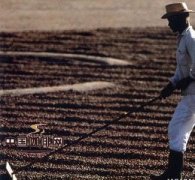
Drying is the most traditional method of processing coffee beans
Drying is used on unwashed coffee beans. Wet processing is used on thoroughly washed or semi-washed coffee beans. Most arabica beans are processed wet, except for drying, which is more common in brazil and ethiopia. In Indonesia, some Robert beans are wet processed, but this is not common locally. drying method
2015-11-05 drying traditional coffee beans method for unwashed conditioning
Processing method of high-quality coffee beans coffee refining method
There are a pair of oval seeds in the center of the fruit of the coffee tree, which are covered with exocarp, endocarp and pulp. Ripe fruit will rot in a short period of time without treatment, so the purpose of refining is to enable coffee beans to be preserved for a long time, easy to store and circulate. Figure (1) Coffee fruit Coffee fresh fruit should be dealt with immediately after being harvested. Refining is to remove the peel and pulp of coffee fruit
2015-04-11 Boutique coffee beans treatment method coffee making method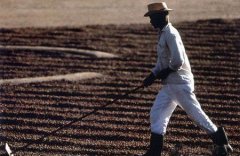
What are the processing methods of coffee beans? Drying and washing method
There are two ways to prepare coffee beans for coffee roasting. The method chosen has a significant impact on the final price and quality of coffee. The cheapest method of processing is called drying, which is used for lower-grade coffee beans, while higher-quality coffee beans are processed by wet treatment. Drying is used for unwashed coffee beans. Wet treatment for thoroughly washed or semi-washed
2015-10-15 Coffee beans processing treatment method which kind drying with water washing method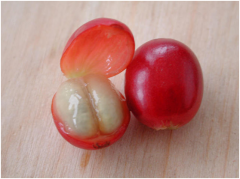
Processing method of high-quality coffee beans coffee refining method
There are a pair of oval seeds in the center of the fruit of the coffee tree, which are covered with exocarp, endocarp and pulp. Ripe fruit will rot in a short period of time without treatment, so the purpose of refining is to enable coffee beans to be preserved for a long time, easy to store and circulate. Figure (1) Coffee fruit Coffee fresh fruit should be dealt with immediately after being harvested. Refining is to remove the peel and pulp of coffee fruit
2015-01-23 Boutique coffee beans treatment method coffee fruit center pair
The method of dealing with high-quality coffee beans
There are a pair of oval seeds in the center of the fruit of the coffee tree, which are covered with exocarp, endocarp and pulp. Ripe fruit will rot in a short period of time without treatment, so the purpose of refining is to enable coffee beans to be preserved for a long time, easy to store and circulate.
2014-07-09 Coffee knowledge coffee bean processing coffee encyclopedia
Coffee beans must be stored in a dry environment to explain coffee bean preservation skills (2)
Two methods of coffee bean production after harvest to the market before shipment to remove the skin, pulp, skin and silver. There are two methods: drying (also known as natural method or non-washing) and washing. Dry type: The method is relatively simple. First of all, the fruit will be just picked widely spread in the sun for a week or two, until the fruit issued a cracking sound so far, natural drying. After that, with
2014-08-25 Coffee bean preservation Coffee encyclopedia Coffee knowledge